


Choosing a treadmill doesn’t have to be complicated.
This step-by-step 2025 guide shows you the specs that matter and how to match them to your body, space, and goals. Science-backed tips and clear rules of thumb keep it simple.
Jump to section
- Intro
- Help me choose in 60 seconds or less
- Step 1: Choose your treadmill type
- Step 2: Pick the right belt size
- Belt-size matrix (height × pace)
- Step 3: Motor power & top speed
- CHP selector (weight × use)
- Step 4: Deck & cushioning (joint comfort)
- Step 5: Console, apps & heart-rate tracking
- Connectivity: FTMS vs Bluetooth audio
- Step 6: Folding & storage
- Folding types vs storage depth
- Step 7: Safety, room planning & noise
- Step 8: Warranty, servicing & budget
- Customer favourites
- Printable pre-purchase checklist
- How we test treadmills
- FAQs
- References
Introduction
Start with how you’ll use your treadmill: walking, jogging, or running. Then match belt size, motor power, and features to that plan.
For general health, aim for 150–300 minutes per week of moderate activity; a home treadmill makes that easier to hit [1], [2]. Taller users and regular runners need longer, wider belts and stronger motors for comfort and safety [3].
Helpful Cardio Online resources while you browse:
- Best treadmills in Australia
- Compact treadmills & space-saving options
- Buying a folding treadmill
- Why the deck matters most & cushioning & joints
- Zwift-compatible treadmills
- Curved/manual treadmills
- WalkingPad treadmills
- Budget treadmills
- How often to service
Help me choose in 60 seconds or less
- Primary use? Mostly walk → go compact/folding. Jog/run → standard or commercial-style.
- Your height? <180 cm → 127–140 cm deck. ≥180 cm → 140–152+ cm deck.
- Top speed you’ll use? Walk/jog → ≤16 km/h. Intervals/running → 18–20 km/h.
- Motor match? Walk/jog → 2.0–2.5 CHP. Run/multi-user → 3.0–3.5 CHP. Heavy/HIIT → 3.5–4.0 CHP+ [3], [14].
- Space & safety? Leave ~0.5 m each side, ~2.0 m behind; check headroom at max incline [4], [5].
- Connectivity? Need Zwift? Look for Bluetooth FTMS or plan a footpod workaround [6], [7].
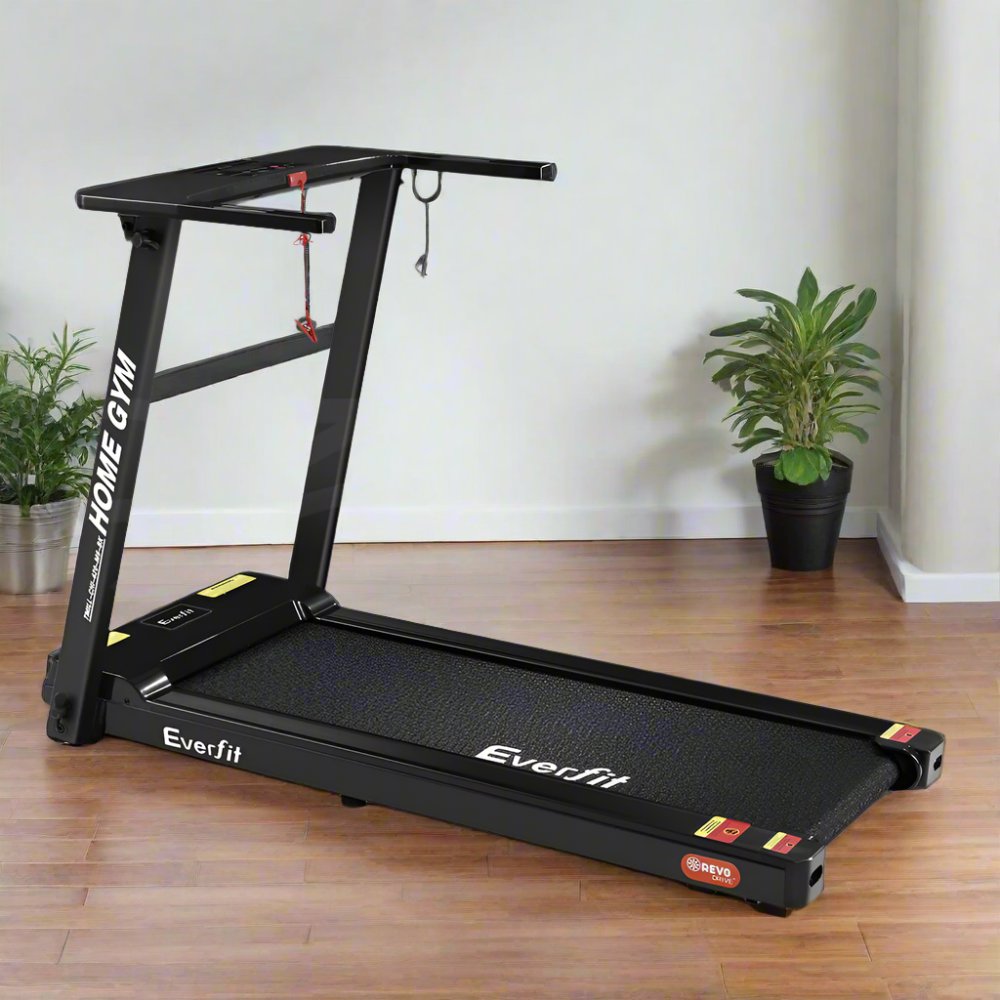
Everfit CHI420 M6 Folding Treadmill
Reliable, ultra-slim & budget friendly
Looking for a budget-friendly treadmill that's perfect for walking and light jogging? The Everfit CHI420 M6 Folding Treadmill has you covered. It's sturdy, compact, and designed to fit into small spaces with its easy foldable design.
Shop Now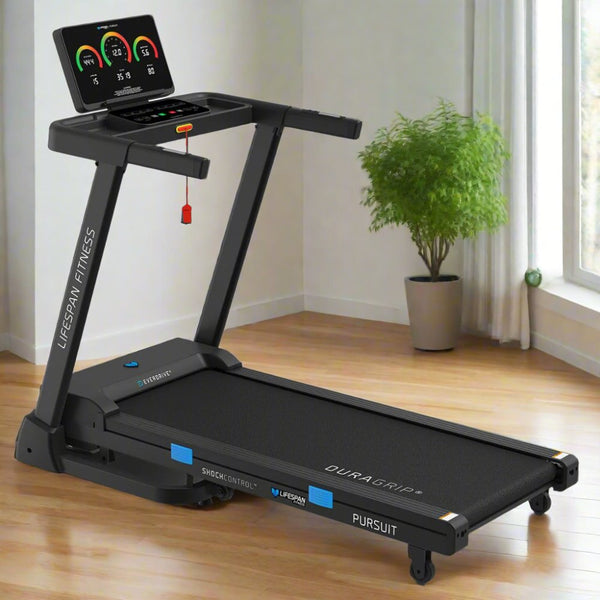
Lifespan Fitness Pursuit 4 Treadmill
Quiet, compact jogger with auto-incline
This top-notch cardio machine is perfect for anyone looking to improve their fitness experience at home. With a quiet 2.0 CHP EverDrive® H2X Brushless Motor, it delivers a smooth and efficient workout every time.
Shop Now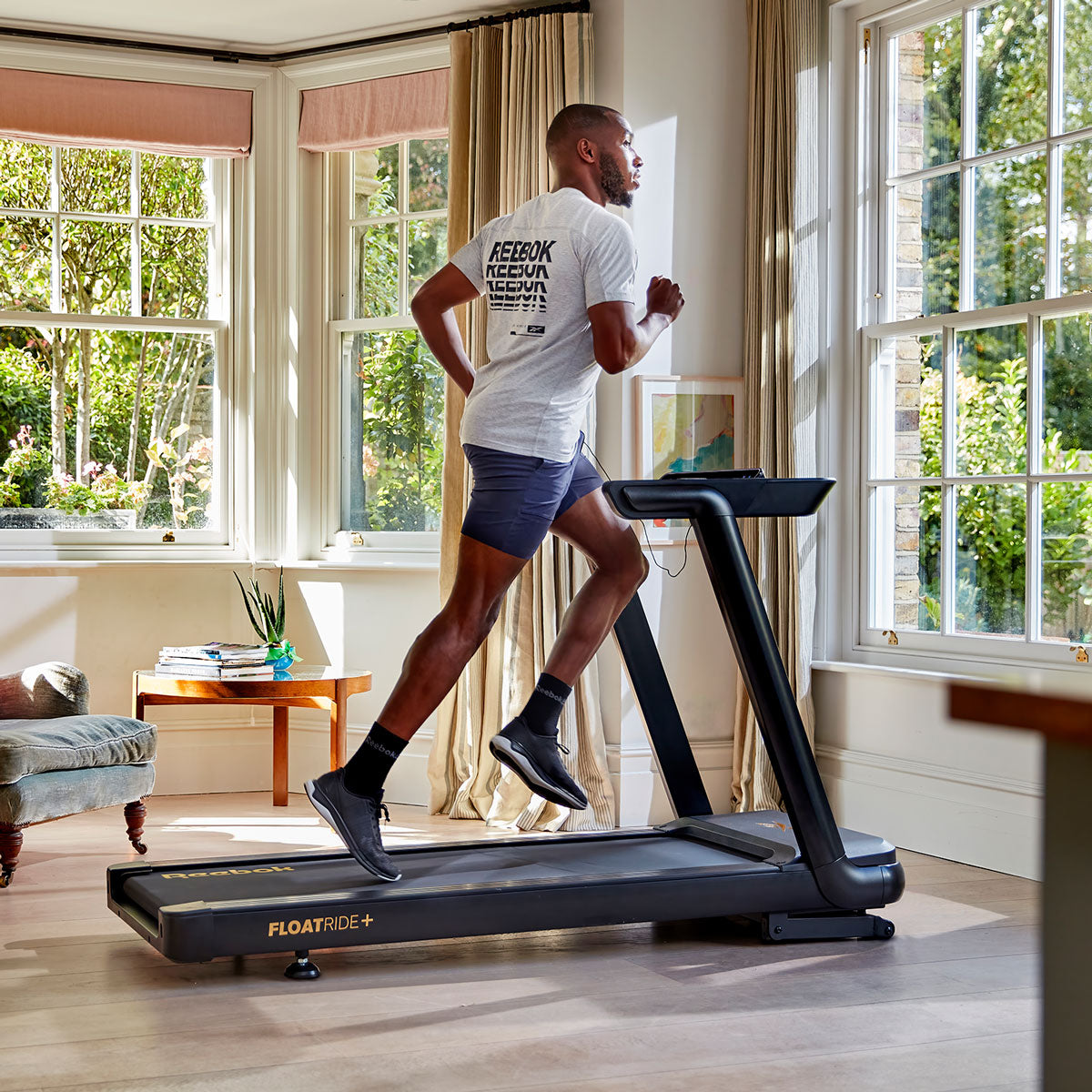
Reebok FR30z Floatride Treadmill
Powerful, cushioned running with smart connectivity
The Reebok FR30z is designed for those who demand the best in both technology and comfort, this treadmill brings the robustness of gym-quality equipment right into your living room.
Shop Now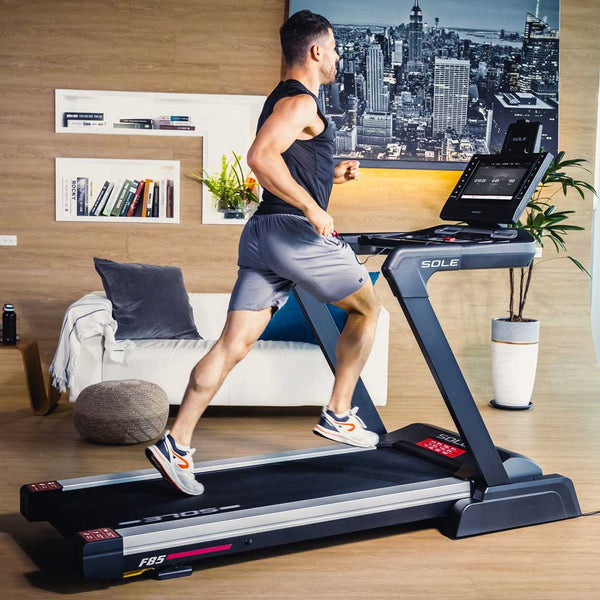
Sole F85 Folding Treadmill
Gym-grade folding treadmill: high-tech, powerful, versatile
Rated as a "Best Buy", the F85 is a workhorse seen by many in the industry as "The Best Folding Treadmill" on the market. The flagship model in the folding series and Sole's number one seller, the F85 incorporates high-end specs with the best motor that Sole offers.
Shop NowStep 1: Choose your treadmill type
Motorised (most common). Best for walking to hard running, with easy speed/incline controls and app support.
Curved/manual. No motor; great for sprints and form, lower maintenance, steeper learning curve—see curved treadmills.
Walking pads/under-desk. Ultra-compact, low speed for steps at home—see WalkingPad treadmills.
If you want Zwift or similar, look for Bluetooth FTMS support or plan to use a footpod/watch for pairing [6], [7].
Step 2: Pick the right belt size
Match the deck to your height and speed. Use these simple rules:
- Walkers: ~114–127 × 41–46 cm (45–50″ × 16–18″)
- Joggers: ~127–140 × 46–51 cm (50–55″ × 18–20″)
- Runners / tall users (≥180 cm): ~140–152 × 51–56 cm (55–60″ × 20–22″)
These align with common consumer recommendations; many runners prefer ~152 × 51 cm for confidence and toe-clearance [12], [13].

Belt-size matrix (height × pace)
| Height | Walking | Jogging | Running / Sprints |
|---|---|---|---|
| < 170 cm | 114–125 × 41–46 cm | 125–135 × 46–51 cm | 135–145 × 48–51 cm |
| 170–180 cm | 120–130 × 43–48 cm | 130–140 × 48–51 cm | 140–150 × 51–56 cm |
| >= 180 cm | 125–135 × 46–50 cm | 135–145 × 50–51 cm | 150–152+ × 51–56 cm |
If you sprint or over-stride, choose the next size up for safety and comfort [12], [13].
Step 3: Motor power & top speed
Prioritise CHP (continuous horsepower), not peak HP, for sustained output and durability [3], [14].
- Walk/light jog: ~2.0–2.5 CHP
- Regular running / multi-user: ~3.0–3.5 CHP
- Heavier users / intervals: 3.5–4.0 CHP+
Most home runners are covered by 16–20 km/h top speed. Check quick keys and acceleration for intervals [3].
CHP selector (user weight × use)
| User weight | Walk | Jog | Run / Intervals |
|---|---|---|---|
| < 80 kg | 2.0 CHP | 2.5–3.0 CHP | 3.0–3.5 CHP |
| 80–100 kg | 2.0–2.5 CHP | 3.0 CHP | 3.5 CHP |
| >= 100 kg | 2.5 CHP | 3.0–3.5 CHP | 3.5–4.0 CHP+ |
When in doubt, size up slightly for durability and smoother speed changes [3], [14].
Step 4: Deck & cushioning (joint comfort)
A good deck feels stable yet forgiving. Incline shifts work toward the hips and away from the knee during walking, which some find more comfortable [10].
Start with small grade changes and rotate workouts to manage soreness, especially with decline sessions [10], [1].
Deep-dives: deck importance and cushioning & joints.
Step 5: Console, apps & heart-rate tracking
Consoles range from simple LED/LCD to touchscreens. If you want app training or Zwift, look for explicit FTMS support and current firmware [6], [15].
Heart rate: wrist optical sensors can drift at higher intensity. Chest straps remain the accuracy gold standard in studies [8], [9], [11].

Connectivity: FTMS vs Bluetooth audio
| Feature | Bluetooth FTMS (smart) | Bluetooth audio-only |
|---|---|---|
| Zwift/Kinomap control | Yes (speed/incline data & control) | No (needs footpod/watch workaround) |
| HR strap pairing | Typically yes | Sometimes (console-dependent) |
| Firmware updates | Common | Rare |
If FTMS is missing, a footpod or watch can bridge to Zwift [6], [7], [15].
Step 6: Folding & storage
Two common styles:
- Hydraulic deck-up folding with lift assist.
- Slim/flat folding for under-bed or upright storage.
Check folded footprint, locks, and transport wheels. See our folding buyer’s guide and folding range.

Folding types vs storage depth
| Type | Typical folded depth | Best for | Watch-outs |
|---|---|---|---|
| Hydraulic deck-up | ~80–100 cm | Most homes; easy lift/lower | Check ceiling height when lifting |
| Slim/flat fold | ~15–25 cm | Under-bed/upright storage | Usually shorter deck; lower speeds |
Step 7: Safety, room planning & noise
Leave clear space: about 0.5 m each side and up to 2.0 m behind for emergency egress per industry guidance (ASTM) [4]. Consumer Reports also stresses keeping kids and pets away and using a safety key/passcode [5].
The Peloton Tread+ recall highlights why access control matters—remove the key and block access when not in use [16].
Micro-tips: place a rubber mat to reduce noise and dust; check ceiling height at full incline; use a surge protector; and never leave the belt running unattended [5].
Step 8: Warranty, servicing & budget
Longer frame/motor terms often signal stronger build. Budget models are fine for walking; runners should invest in longer decks and higher CHP [3].
Wipe sweat after use, vacuum monthly, and follow your lube schedule. See our service guide.
Customer favourites for every user
Best for walking/light jogging
Lifespan Fitness Pursuit 4 Treadmill
Quiet, compact jogger with auto-incline
This top-notch cardio machine is perfect for anyone looking to improve their fitness experience at home. With a quiet 2.0 CHP EverDrive® H2X Brushless Motor, it delivers a smooth and efficient workout every time.
Shop NowCompact deck, value, app-friendly. Based on owner feedback and retail specs, it offers gentle acceleration and simple quick keys for intervals.

At a glance
2.0 CHP EverDrive H2X brushless motor, 14 km/h, 15-level auto incline, 115 × 44 cm deck, ShockControl™ cushioning, 15 programs, quick-keys, Bluetooth with Zwift/Kinomap/FitLink, Folding. 130 kg max; lifetime (5-yr practical) frame/motor + 12-month parts.
Who it suits
Households with mixed goals and beginners-to-intermediates progressing from walking to 5–10 km running, hills, and intervals—without a huge footprint.
Why it's a customer favourite
Quiet brushless drive, real incline, and modern app compatibility deliver “more than basic” training variety in a compact folding package.
Perfect for everyday jogging + Zwift
Reebok FR30z Floatride Treadmill
Powerful, cushioned running with smart connectivity
The Reebok FR30z is designed for those who demand the best in both technology and comfort, this treadmill brings the robustness of gym-quality equipment right into your living room.
Shop NowLonger belt, sturdy frame, Bluetooth apps. Its roomy deck and quick keys suit tempo runs and guided workouts in Zwift-compatible set-ups.

At a glance
2.0 CHP (4.0 HP peak) Eco-Kinetic motor to 20 km/h, 15-level power incline (~15%), ~150 × 51 cm deck, Floatride+ cushioning, slim LED console with touch response, Bluetooth speakers, and compatibility with Zwift/Kinomap; 24+ programs.
Who it suits
Serious home runners who want gym-like stability, fast intervals, and immersive connected training on a tall, roomy deck.
Why it's a customer favourite
Power, deck size, cushioning and true Zwift/Kinomap support “future-proof” your setup and keep motivation high with virtual routes and social runs.
For serious runners
Sole F85 Folding Treadmill
Gym-grade folding treadmill: high-tech, powerful, versatile
Rated as a "Best Buy", the F85 is a workhorse seen by many in the industry as "The Best Folding Treadmill" on the market. The flagship model in the folding series and Sole's number one seller, the F85 incorporates high-end specs with the best motor that Sole offers.
Shop NowHeavy-duty build, strong motor, big deck. This class of machine targets consistent speeds up to 20 km/h with rock-solid feel for taller or heavier users.

At a glance
4.0 CHP, 0.5–20 km/h, 15 incline + ≈–6% decline, heavy frame, wide deck, ~170 kg capacity, Easy-Assist hydraulic folding with safety lock, 15.6″ Android touchscreen with streaming/mirroring; class-leading lifetime frame/motor warranty.
Who it suits
Demanding runners, tall/heavy users, and families wanting commercial performance with the flexibility of folding and best-in-class entertainment.
Why it's a customer favourite
Combines rock-solid hardware with decline training and a large streaming display—minimising excuses and maximising long-term use.
Space-saving ultra-compact option
Everfit CHI420 M6 Folding Treadmill
Reliable, ultra-slim & budget friendly
Looking for a budget-friendly treadmill that's perfect for walking and light jogging? The Everfit CHI420 M6 Folding Treadmill has you covered. It's sturdy, compact, and designed to fit into small spaces with its easy foldable design.
Shop NowSpace-saving and wallet-friendly for walking. Slim-fold depth makes it ideal for under-bed storage or studio apartments.

At a glance.
Peak 2.5 HP, 12 km/h top speed, 122 × 42 cm deck, ~120 kg capacity, tablet holder & safety key; folds to ~14.5 cm for under-bed storage. No auto incline.
Who it suits.
Walkers, casual joggers, and apartment dwellers who need ultra-slim storage and low noise at walking speeds.
Why it's a customer favourite
Flat-folding portability + simple setup make it the easiest way to build a daily step habit without sacrificing floor space or budget.
Printable pre-purchase checklist
Print this section or tick it off as you go. It covers the key steps to avoid returns and surprises.
How we test treadmills
We assess treadmills on core factors that matter at home. We verify deck dimensions against published specs, check speed stability and quick-key response at typical training paces, and note vibration and noise on a rubber mat vs. hard floor.
We evaluate console readability and FTMS pairing steps with popular apps where compatible. We also review warranty terms, parts availability, and owner feedback to gauge long-term satisfaction.
For safety, we consider side/rear clearance needs and emergency-stop ergonomics, and we highlight child-access controls when available.
FAQs
What belt size do I need if I’m 6′1″ and plan to run?
Aim for a 152 cm (60″) length and 51 cm (20″) width so you don’t clip the rear roller. These dimensions match common comfort ranges for taller runners. If you sprint or over-stride, go longer/wider. Pair with ~3.0–3.5 CHP so speed changes feel smooth [3], [12], [13].
How much motor power (CHP) is “enough”?
Walk/jog: 2.0–2.5 CHP. Regular running or multi-user homes: 3.0–3.5 CHP. Heavy users or frequent intervals: 3.5–4.0 CHP+. Prefer CHP over peak HP when comparing models for real-world performance [3], [14].
Is incline bad for knees?
Not necessarily. Biomechanics show incline walking shifts more work to the hips and less to the knee versus level. Start with 3–5% and progress slowly. Use decline sparingly because it increases eccentric load and soreness [10], [1].
Are wrist heart-rate watches accurate on treadmills?
They’re convenient but variable at higher intensities. Studies find wrist optical sensors less accurate than chest-strap ECG monitors during exercise. If you train by zones, pair a chest strap to your treadmill or app for better accuracy [8], [9], [11].
How much space should I leave around a treadmill?
Plan ~0.5 m each side and ~2.0 m behind for safe egress. Keep kids/pets away and remove the safety key after use. These tips align with ASTM guidance and Consumer Reports advice [4], [5], [16].
Do I need a smart treadmill for Zwift?
No. A smart treadmill with Bluetooth FTMS connects directly, but you can also use a footpod, watch, or sensor to transmit speed/cadence. Keep firmware updated and follow Zwift’s pairing steps [6], [7], [15].
How often should I service my treadmill?
Wipe sweat after sessions, vacuum dust monthly, and lubricate on the brand’s schedule. A periodic professional check keeps belts aligned and motors happy. See our service guide.
What if I only want walking for general health?
Great plan. Hitting 150–300 minutes/week of moderate activity (like brisk walking) supports heart and metabolic health. A compact/folding model is ideal—just choose a belt that feels comfortable and follow the safety clearances [1], [5].
References
- Australian Government Department of Health, “For adults (18 to 64 years),” Physical Activity and Exercise Guidelines for All Australians, updated May 10, 2021. Available: here
- Australian Government Department of Health, “Physical activity and sedentary behaviour guidelines—adults (fact sheet),” 2021. Available: here
- K. Loria and C. Roberts, “Treadmill Buying Guide,” Consumer Reports, updated May 30, 2025. Available: here
- CPH & Associates, “Placement of Treadmills—Consult Industry Standards,” 2016. (Summarises ASTM: ~0.5 m sides, 2.0 m behind.) Available: here
- Consumer Reports, “How to Stay Safe on a Treadmill,” 2021. Available: here
- Zwift Support, “Compatible Running Hardware,” 2025. Available: here
- Zwift Support, “Supported Devices to Run Zwift,” 2025. Available: here
- A. Shcherbina et al., “Accuracy of Wrist-Worn Heart Rate Monitors,” JAMA Cardiology, vol. 2, no. 1, pp. 104–106, 2017. Available: here
- F. Sartor et al., “Wrist-worn optical and chest strap heart rate comparison in healthy and CAD patients,” BMC Sports Science, Medicine and Rehabilitation, 2018. Available: here
- R. W. Nuckols et al., “Mechanics of walking and running up and downhill: A joint-level perspective to guide design of lower-limb exoskeletons,” PLOS ONE, vol. 15, no. 8, e0231996, 2020. Available: here
- S. Gillinov et al., “Variable Accuracy of Wearable Heart Rate Monitors During Aerobic Exercise,” Med. Sci. Sports Exerc., vol. 49, no. 8, pp. 1697–1703, 2017. Available (summary): here
- D. Deschanel, “What Belt Size Do I Need on a Treadmill?,” Health Constitution (AU), 2022. Available: here
- UK Fitness Equipment, “Treadmill Buying Guide,” 2022. Available: here
- Lifespan Fitness Support, “What is the difference between HP and CHP for treadmills? Which one is better?,” 2024. Available: here
- Horizon Fitness Support, “How do I connect to Zwift or Peloton using Bluetooth FTMS or a Bluetooth heart rate strap?,” 2025. Available: here
- U.S. Consumer Product Safety Commission, “Peloton Recalls Tread+ Treadmills After One Child Died and More Than 70 Incidents Reported,” May 5, 2021. Available: here


